A Relationship with the Sacred
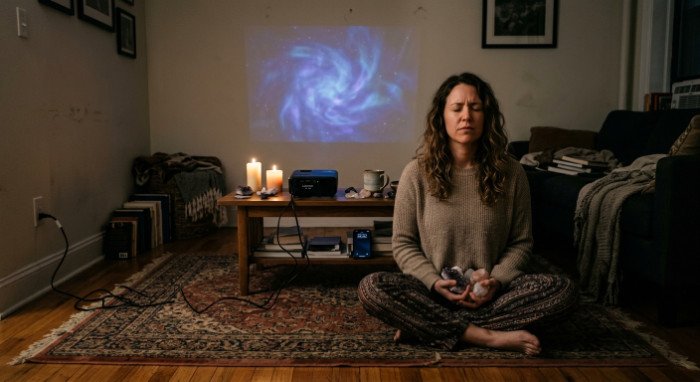
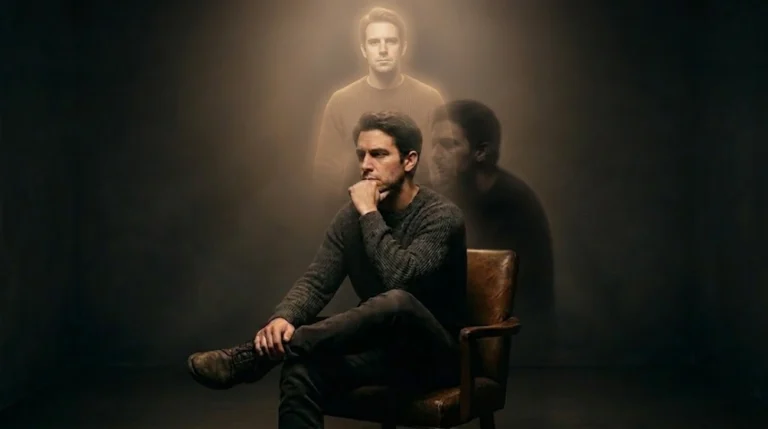
There is a moment almost everyone has lived through. A moment of real need, the kind that is not easily shared, in which something inside searches for somewhere to turn. And almost inevitably, whether or not you practice anything, whether you have not set foot in a church in years, whether you consider yourself agnostic or simply disconnected from all of this, something searches. Something wants to speak to something.
That impulse is one of the oldest that exists in human beings. Older than any religion. Older than any doctrine. It is the intuition that we are not alone in this, that there are greater forces with which it is possible to connect.
What changes, depending on how you were raised and what you were taught, is who you speak to. And how.
When there were many, and the relationship was different
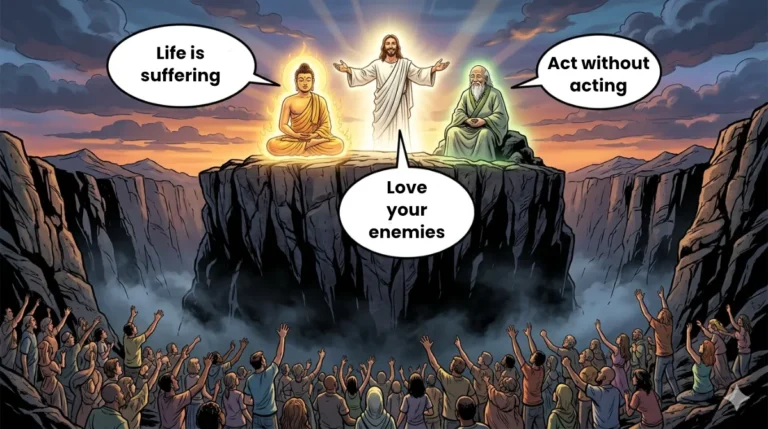
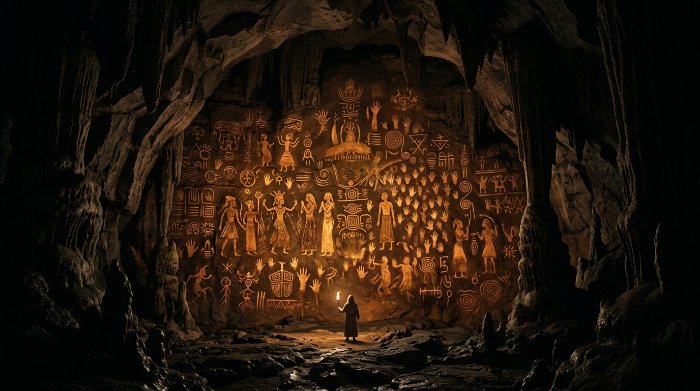
For most of human history, and in virtually every culture in the world without exception, the relationship with the divine was not with a single figure who controlled everything. It was with an ecosystem.
There were forces with their own names and characters. Gods who represented specific aspects of reality: the sea, the harvest, war, love, death, knowledge. Spirits tied to places, to lineages, to natural phenomena. Ancestors who remained present in some form and with whom a living relationship was maintained.
And most relevant to what we are exploring here: that relationship was cooperative. Not one of obedience but of exchange. Something was offered, something was asked. There was negotiation. These forces were worked with the way you work with any force that has its own nature, its own conditions, its own logic. You had to know them, respect them, understand which one to approach depending on the need.
Human beings were not positioned below the divine waiting to be judged. They were in relationship with it. They participated actively.
When everything concentrated into one
The change did not happen all at once. It was gradual, and it responded to very concrete reasons that have more to do with power and social organization than with direct spiritual experience.
At some point in history, the multiplicity of forces with which human beings related was progressively replaced by a single figure. One god. Universal. Omnipotent. Omniscient. The only valid one, the only real one, the only one it was legitimate to address.
That concentration had a very specific consequence for the way people relate to the sacred. When there are many forces to work with, the relationship is technical and varied. You know who to turn to depending on the need. You know the conditions of each one. There is room for negotiation, for error, for trying a different path if one does not work.
When there is a single figure that controls everything, the relationship changes in nature. It is no longer cooperation. It is dependence. And absolute dependence on a figure who also judges, who also remembers every act, who can also withdraw favor at any moment, produces something very recognizable.
It produces fear.
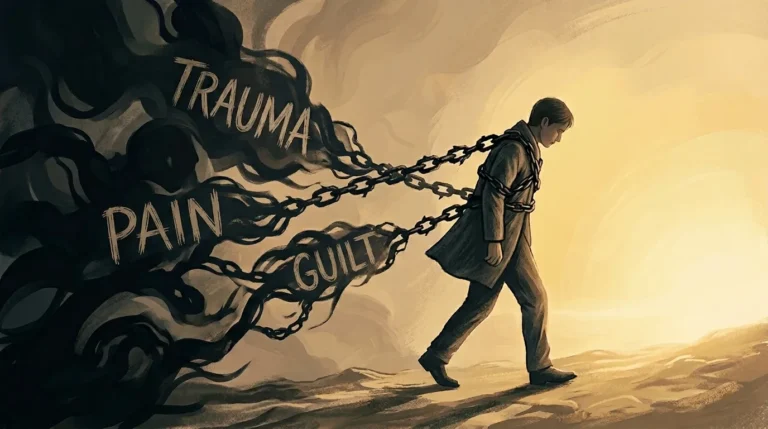
Not necessarily declared fear. Sometimes it is fear that disguises itself as devotion, as fervor, as exalted gratitude. But the underlying emotional structure is the same: I cannot afford to lose this. I have to maintain favor. I have to constantly prove I deserve to be heard.
The contradiction nobody names
And there it is: the question nobody asks out loud.
If the figure being prayed to is unconditional love, absolute goodness, a presence that encompasses and sustains everything… where does that fear come from? Why does something supposedly unconditional need to be earned? Why does the relationship with what should be the source of all love produce so much anxiety?
There is something curious about how many people describe God today. He is love. He is goodness. He is infinite. He encompasses everything. He does not judge. He wants what is best for you. And at the same time: you have to behave correctly to deserve his favor. There are actions that offend him. There are consequences for those who stray. You have to pray, you have to give thanks, you have to constantly demonstrate devotion.
Both ideas coexist in the same person, sometimes in the same sentence, without anyone ever pointing out that they directly contradict each other. Because an infinite being who encompasses everything cannot have particular preferences. That which contains everything cannot favor one part over another. And a truly unconditional love does not generate the need to constantly earn it, maintain it, not lose it.
Love that has conditions is not unconditional. And goodness that punishes is not absolute.
What generates that need is not love. It is fear.
This is not a judgment on those who live it. It is simply naming something that is there, visible to anyone who chooses to look.
Another way of relating to the sacred
What the oldest traditions knew, and what time and doctrine gradually erased, is that the relationship with the divine does not have to be built on fear.
It can be built on knowledge.
Knowing what forces you are working with. Understanding their nature. Knowing how to address them, what can be asked and how, what is offered in return, what the consequences are of acting without that knowledge. Not as obedience to a figure who controls everything, but as collaboration with forces that have their own logic and that respond when approached correctly.
The difference between someone who prays hoping an all-powerful figure will decide to help them, and someone who works with knowledge in the space where things actually happen, is not a difference of faith or spirituality.
It is a difference of tools.
And tools, unlike blind faith, can be learned.
The starting point is not certainty or devotion. It is curiosity. Looking for real practices, not promises. Finding people whose lives have changed in a way that is beyond argument, not because they say so, but because it shows. Trying things, observing, incorporating slowly. If something feels destabilizing at first, that is not a sign of danger: it is usually a sign that something is actually moving. And if at any point something does not fit, you can stop. There is no condemnation waiting at the end of the road for having explored.
The only thing that does not help is fear. Fear of doing it wrong, of offending something, of consequences for approaching without the right permission. That fear does not protect. It is exactly the same structure this article has spent pages describing, just with a different name.
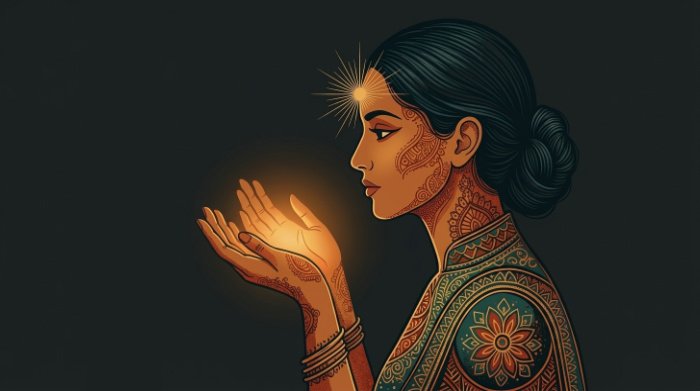
And one last thing, perhaps the most important: no one is obligated to establish a conscious relationship with anything or anyone. But no one can escape the sacred either. Because the sacred is not a practice or a belief or a figure to address. It is life itself, in whatever way each person chooses to live it.
Life is the sacred.